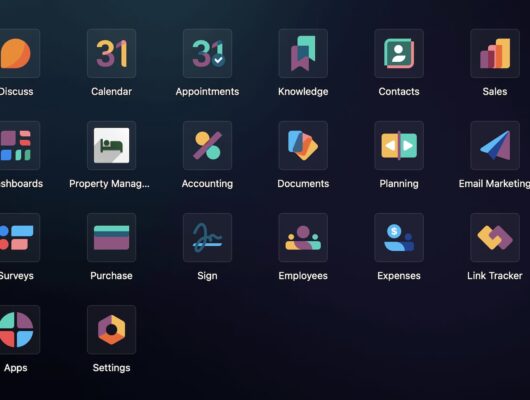


The remarkable experience of implementing an ERP system for a large-scale manufacturing company that specializes in producing and selling unique audio-visual (AV) devices globally. With its headquarters in London, UK, this customer sought to streamline their operations and drive growth by implementing an enterprise resource planning (ERP) system. Our team embarked on a transformative journey to deploy an ERP solution with a comprehensive suite of modules and integrations, resulting in a system that empowered the customer’s workforce of over 100 employees. The key milestones and outcomes achieved throughout the project.
Project Objectives and Scope: The primary goal of the project was to implement an end-to-end ERP system that would enable seamless management of the customer’s manufacturing processes while providing robust support for their
- CRM
- Sales
- Purchase
- Repairs
- Manufacturing
- Accounting
- Employee management
- Marketing automation activities.
In addition to these modules, our team recognized the significance of integrating the ERP system with external services to enhance data analysis and reporting capabilities.
Additional Integrations:
- Google Ads
- Google Analytics
- EU DB Taxes
- DWH Tableau Server
Advanced Implementation: The implementation process began by leveraging various ERP modules to centralize customer interactions and manage leads effectively. With the Sales and Purchase modules, the customer gained a comprehensive platform to handle sales orders, quotations, and procurement processes seamlessly. The Manufacturing module played a pivotal role in optimizing production workflows, enabling efficient planning, scheduling, and resource allocation.
To ensure a holistic approach to customer support, we implemented the Repairs module, allowing the customer to efficiently handle repair requests and track associated costs. The Accounting module integrated seamlessly, automating financial processes, streamlining invoicing, and facilitating accurate reporting. Employee management was streamlined using the ERP’s Employee Management module, enabling the customer to efficiently manage employee information, attendance, and payroll.
Integrations with Google Services: To unlock the full potential of their marketing efforts, our team developed robust connectors between the ERP system and various Google services. By integrating with Google Ads and Google Analytics, the customer gained valuable insights into their advertising campaigns’ effectiveness and website traffic. This integration empowered them to make data-driven decisions, optimize marketing strategies, and drive conversions.
Integration with Tableau for Enhanced Reporting: Recognizing the need for comprehensive reporting capabilities, our team created a connector between the ERP system and Tableau. This integration enabled the customer to extract data from their ERP system and visualize it in an interactive and dynamic manner. With Tableau’s powerful data analytics and visualization tools, the customer gained valuable insights into their business performance, identified trends, and made informed decisions to improve operational efficiency and strategic planning.
Successful Outcome and Full Process Implementation: Following the completion of the ERP implementation project, the customer now operates a fully integrated ERP system, supporting more than 100 employees across various departments. The streamlined processes have led to improved efficiency, enhanced productivity, and better resource utilization. With a centralized database and real-time data synchronization, the customer can make informed decisions promptly, resulting in faster response times, improved customer satisfaction, and increased profitability.
The successful implementation of an ERP system for our large-scale manufacturing customer has revolutionized their operations, allowing them to optimize processes, improve collaboration, and enhance overall business performance. By integrating with Google services and Tableau, the customer now benefits from advanced marketing insights and powerful reporting capabilities. This implementation project stands as a testament to the transformative potential of ERP systems, empowering organizations to achieve operational excellence and drive growth in today’s competitive business landscape.

Successful ERP Implementation for a Leading AV Device Manufacturer
We implemented ERP for the modern and large-scale manufacturing company that design, produces, maintenances unique devices globally.
- ClientNDA
- CategoryOdoo, Tableau
- TagsAccounting, CRM, Customer Support, ERP, Integrations, Manufacturing, Marketing Automation, Purchase, Repairs, Sales
- Start Date01-july-2019
- Websitehttps://erpixel.com/about/