- Key Terms and Definitions
- The Business Problem: Why Legacy Software Becomes Dangerous
- Why the Problem Is Growing in 2026
- Examples of Well-Known Legacy Systems Still Used Today
- Criteria for Solving the Legacy Software Problem
- Professional Legacy Software Modernization Services
- How the ERPixel Modernization Process Works
- A Real Modernization Project: Odoo Migration for a UK-Based Client
- Benefits Companies Gain After Modernization
- Technical Challenges That Make Legacy Systems Hard to Replace
- Why Businesses Choose ERPixel
- Conclusion
According to multiple industry reports published between 2024 and 2026, more than 70% of enterprise software systems currently used in large organizations were originally developed more than 15 years ago. Gartner estimates that companies spend up to 60–80% of their IT budgets maintaining existing systems instead of building new capabilities. This means that most organizations today are investing far more in keeping outdated technology running than in innovation.
Legacy software is not only an IT issue. It is a strategic business constraint. When critical systems become difficult to maintain, difficult to integrate, and difficult to scale, the entire organization slows down.
There are numerous real-world examples that demonstrate how serious this issue can become. In 2018 the US state of New Jersey had to delay the rollout of a new unemployment system because the existing COBOL-based infrastructure was too complex to modify quickly. During the COVID-19 crisis, several states struggled to process unemployment claims simply because their legacy systems were built decades ago.
Another example is the airline industry. Several major airlines experienced operational disruptions because reservation and scheduling systems built in the 1990s could not easily integrate with modern digital infrastructure. These incidents show that legacy software is not just an internal inconvenience—it can directly affect customers and revenue.
Key Terms and Definitions
Legacy Software – software systems built using outdated technologies or architectures that are still used in production because they support critical business processes.
Legacy System Modernization – the process of upgrading, redesigning, or replacing outdated software while preserving business logic and data.
Technical Debt – the accumulated cost of outdated code, architecture decisions, and shortcuts that make software difficult to maintain or extend.
Monolithic Architecture – a software structure where all system components are tightly coupled and deployed as a single unit.
Software Refactoring – restructuring code without changing its functionality to improve maintainability and performance.
System Reengineering – redesigning software architecture to support modern technologies and scalability.
The Business Problem: Why Legacy Software Becomes Dangerous
Most companies do not intentionally create legacy systems. These systems become legacy over time as technology evolves and business requirements change.
A typical legacy system originally solved an important problem and worked well for many years. However, as companies grow, the surrounding technology ecosystem changes dramatically.
Common problems caused by legacy software include:
- High maintenance costs due to outdated technologies
- Difficulty hiring developers who understand old programming languages
- Limited integration with modern APIs and cloud services
- Security vulnerabilities in unsupported platforms
- Slow development cycles and long release times
- Inability to scale infrastructure when business demand increases
These issues create a hidden but significant cost for organizations. When IT teams spend most of their time maintaining fragile systems, innovation slows down and competitors gain an advantage.
Why the Problem Is Growing in 2026
Several technology trends have made legacy software modernization an urgent priority.
- Cloud computing has become the dominant infrastructure model
- APIs and integrations are now essential for modern digital ecosystems
- Cybersecurity regulations require updated software environments
- AI-driven analytics depends on accessible and structured data
Legacy systems were not designed for these requirements. As a result, organizations must modernize their systems to remain competitive.
Examples of Well-Known Legacy Systems Still Used Today
Many organizations continue to operate systems that were originally built decades ago. Some of the most common examples include:
- COBOL-based banking systems
- IBM AS/400 enterprise systems
- Mainframe transaction processing systems
- Lotus Notes enterprise applications
- Oracle Forms legacy applications
- Microsoft Access business databases
- Visual Basic 6 enterprise tools
- Old SAP R/3 installations
- Early versions of Oracle E-Business Suite
- Custom C++ enterprise platforms developed in the 1990s
- Legacy PHP monolithic applications
- ColdFusion business systems
- PowerBuilder enterprise applications
- FoxPro business databases
- Older .NET Framework enterprise platforms
Many of these systems remain operational because they contain critical business logic that has been refined for years.
Criteria for Solving the Legacy Software Problem
Successful modernization requires a structured and professional approach. Businesses cannot simply replace legacy systems overnight without risking operational disruptions.
A successful modernization strategy must satisfy several criteria:
- Preserve critical business logic and workflows
- Protect historical data and ensure data integrity
- Minimize operational disruptions during transition
- Enable integration with modern systems
- Improve long-term maintainability
- Support future scalability
Achieving these goals requires specialized expertise in enterprise software architecture, data migration, and system integration.
Professional Legacy Software Modernization Services
Modernizing complex business systems is a specialized engineering discipline. Companies often rely on experienced partners to design and execute modernization strategies safely.
ERPixel provides a professional service dedicated to legacy software transformation. The service includes system assessment, modernization strategy development, architecture redesign, and implementation.
You can learn more about this service here:
Legacy Software Modernization Services
How the ERPixel Modernization Process Works
A typical modernization project includes several stages.
- Technical audit of the existing system architecture
- Analysis of dependencies and integrations
- Evaluation of business-critical workflows
- Definition of modernization strategy
- Gradual migration or refactoring of components
- Integration with modern infrastructure and services
This phased approach ensures that the business can continue operating while modernization progresses.
A Real Modernization Project: Odoo Migration for a UK-Based Client
One of our recent projects illustrates what legacy software modernization looks like in practice.
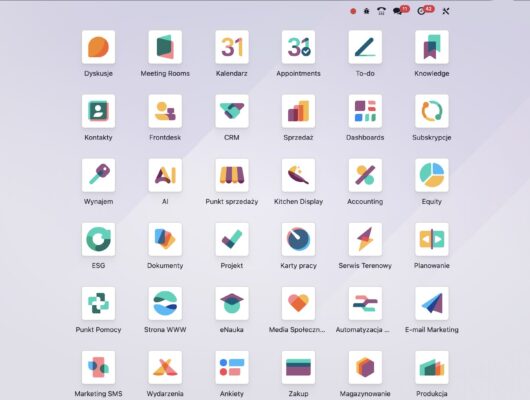
Our client, a UK-based company, was running Odoo 11 — a version that had long passed its end-of-life date. The system was still operational, but keeping it running required constant effort. Performance had degraded to the point where heavy calculation tasks had to be scheduled overnight, when fewer users were active. The team was spending significant time and resources simply maintaining stability rather than using the system to run the business.
The migration to a current Odoo version took several months. This was not a straightforward technical transfer. The project was running live throughout the entire process — new data was being created every day, business processes were evolving, and requirements were changing as the work progressed. We migrated the codebase, then migrated the data. Then the code changed again, and the data had to follow. Each cycle required careful coordination to ensure nothing was lost and the business could continue operating without interruption.
This is what makes legacy modernization genuinely difficult. It is not a one-time export and import. It is a sustained engineering effort on a moving target, where the cost of mistakes is measured in business disruption.
The system is now live on the current version. Many processes work differently — and significantly faster. But the most important outcome is that the old problems are gone. The client no longer schedules operations around system limitations. They have access to features and integrations that simply did not exist in Odoo 11, and they can now use the platform as a tool for growth rather than a constraint on it.

Odoo PDF Quote Builder | Odoo Sales: Create Custom Quotes That Win Deals
PROS and CONS of Odoo ERP: Is Odoo the Right Fit for Your Business?
Dont Do it Manually in Odoo: Automate Work and Save 20 Hours a Week

Odoo Sales Basics: Online Quotations That Sell Faster

Coupons in Odoo: Create Targeted Discounts That Bring Customers Back
Loyalty Programm in Odoo: How to Turn Discounts into Repeat Revenue
Benefits Companies Gain After Modernization
Organizations that modernize legacy systems experience significant operational improvements.
- Reduced infrastructure and maintenance costs
- Improved system reliability and stability
- Faster development cycles
- Better integration with modern platforms
- Improved cybersecurity posture
- Access to advanced analytics and AI tools
- Greater flexibility for future innovation
Technical Challenges That Make Legacy Systems Hard to Replace
Replacing legacy software is rarely straightforward. Many organizations underestimate the technical complexity involved.
Several factors make modernization difficult:
- Undocumented business logic accumulated over decades
- Deep integration with other enterprise systems
- Custom data formats and proprietary protocols
- Large volumes of historical data
- Dependence on outdated hardware infrastructure
- Limited availability of specialists who understand the old systems
These challenges explain why modernization projects must be carefully planned and executed by experienced teams.
Why Businesses Choose ERPixel
ERPixel specializes in enterprise system modernization, ERP transformation, and complex business software integration. The company combines strong engineering expertise with deep understanding of business processes.
As an official Odoo partner, ERPixel also helps companies migrate legacy ERP systems to modern, flexible platforms that support growth and digital transformation.
Organizations working with ERPixel benefit from:
- deep expertise in enterprise architecture
- experience with complex ERP environments
- proven modernization methodologies
- strong integration capabilities
- focus on measurable business outcomes
Conclusion
Legacy software modernization is no longer optional for companies that want to remain competitive. The longer organizations rely on outdated systems, the higher the risks and operational costs become.
With the right modernization strategy and experienced implementation partner, businesses can transform legacy software into a stable, scalable foundation for future growth.
If your organization is evaluating modernization options, you can schedule a consultation with ERPixel specialists here: